
Exterior : Paint Protection Film - PPF
Paint Protection Film (PPF) is a high-performance, transparent film applied to your vehicle’s paint to protect it from scratches, stone chips, road debris, and environmental contaminants. Ideal for Indian driving conditions, where your car faces constant exposure to dust, pollution, and harsh weather, PPF provides unmatched protection, maintaining your vehicle’s showroom shine. The film is self-healing, meaning minor scratches vanish on their own with heat, and its UV-resistant properties prevent paint fading. PPF is perfect for preserving your car’s original paint, enhancing resale value, and reducing maintenance costs, offering peace of mind on every drive. Below are the step-by-step process involved in Paint Protection Film - PPF service:
1. Initial Vehicle Assessment:
The process begins with a thorough inspection of your vehicle’s paint condition. This assessment helps identify any scratches, imperfections, or areas needing attention before the PPF application.
2. Surface Cleaning and Preparation:
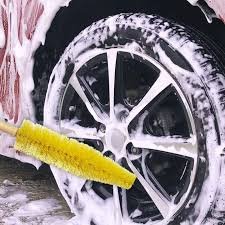
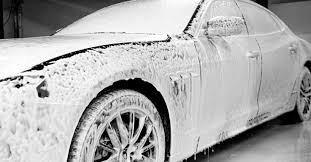
The vehicle is meticulously washed and decontaminated using specialized products to remove dirt, grease, and contaminants. This step ensures optimal adhesion of the PPF to the paint surface.
3. Paint Correction (If Necessary):
If the paint has swirl marks or scratches, a paint correction process may be performed. This involves polishing the surface to create a smooth, flawless base for the PPF.
4. Masking Sensitive Areas:
Critical components, such as lights, emblems, and trim, are masked off to prevent PPF from covering areas where it shouldn't be applied, ensuring a clean finish.
5. Precise Film Cutting:
Using advanced software and tools, the PPF is precisely cut to fit the specific dimensions of your vehicle. Custom patterns ensure that the film covers all necessary areas effectively.
6. Application of PPF:
The PPF is carefully applied to the vehicle’s surface, using techniques to eliminate air bubbles and ensure proper adhesion. This step requires skill to avoid wrinkles and misalignment.
7. Trimming and Finishing Touches:
Once applied, excess film is trimmed around edges for a seamless look. Special attention is given to ensure the film is properly aligned and free of imperfections.
8. Curing Time:
After application, the film is left to cure in a controlled environment. This allows for proper bonding with the paint, ensuring long-lasting protection.
9. Final Inspection:
A thorough inspection is conducted to check for any bubbles, imperfections, or misalignments. Any necessary adjustments are made to guarantee a flawless finish.
10. Customer Care Instructions:
Customers receive guidance on how to maintain the PPF, including washing tips and care products to use, ensuring the coating remains in excellent condition for years to come.
Comparison of Paint Protection Film (PPF) and Ceramic Coating
Paint Protection Film (PPF):
Protection Level:
PPF offers superior physical protection against scratches, chips, and impacts from road debris. It acts as a barrier, absorbing damage before it reaches the paint.
Self-Healing Properties:
Many PPFs are designed to self-heal minor scratches when exposed to heat, maintaining a smooth surface over time.
Thickness:
PPF is a thicker material, providing a robust shield against physical damage, making it ideal for high-risk areas like the front bumper and hood.
Installation:
Application requires professional expertise to ensure proper fit and finish. It involves precise cutting and adhering to the vehicle's surface.
Longevity:
PPF can last 5 to 10 years, depending on the quality of the film and maintenance.
Cost:
Typically, PPF is more expensive than ceramic coating due to the materials and installation process involved.
Ceramic Coating:
Protection Level:
Ceramic coating provides a hydrophobic layer that repels water, dirt, and contaminants. It protects against UV rays, oxidation, and chemical stains but offers less physical protection compared to PPF.
Durability:
While ceramic coatings are tough, they are not scratch-proof. They protect against minor scratches but can be damaged by harsh abrasives.
Thinness:
Ceramic coatings are much thinner than PPF, allowing them to enhance the paint's gloss without altering its surface texture significantly.
Ease of Application:
Ceramic coatings can be applied by professionals or experienced DIY enthusiasts, though proper surface preparation is crucial for optimal bonding.
Longevity:
A quality ceramic coating can last 2 to 5 years with proper maintenance.
Cost:
Generally, ceramic coatings are more affordable than PPF, making them a popular choice for many vehicle owners.
Conclusion:
Choosing Between PPF and Ceramic Coating: The best option depends on your specific needs. If you seek maximum protection from physical damage and frequent road hazards, PPF is the way to go. Conversely, if you want to enhance gloss and protect against environmental factors while keeping costs lower, ceramic coating is an excellent choice. Many vehicle owners even opt for both to enjoy comprehensive protection for their cars.